EDS, Raman, EBSD, or CL? A Decision Guide for the Benchtop SEM
Five analytical ports, one question: what are you actually asking of the sample? A decision guide to EDS, Raman, EBSD, CL — and EBIC — on a benchtop SEM.

Five analytical ports, one question: what are you actually asking of the sample? A decision guide to EDS, Raman, EBSD, CL — and EBIC — on a benchtop SEM.

TAMU's Soft Matter Facility co-authored a JACS Au study turning brittle mixed PP/PE tough — no additives. The cryo-fracture SEM evidence ran on an SNE-Alpha.

Cathodoluminescence sees what EDS cannot: ppm-level activators, defects, and growth history written in light. What CL reveals — and why it now fits on a benchtop.
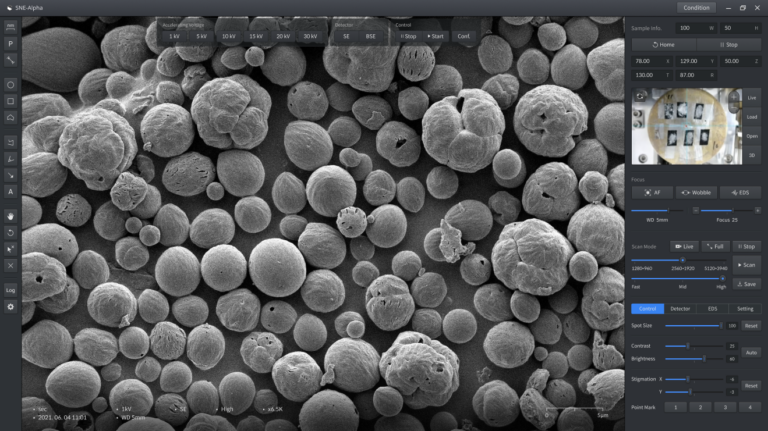
Chamber capacity, stage travel, and height budget are three different numbers. The honest geometry of desktop SEM samples — plus mounting craft for awkward parts.
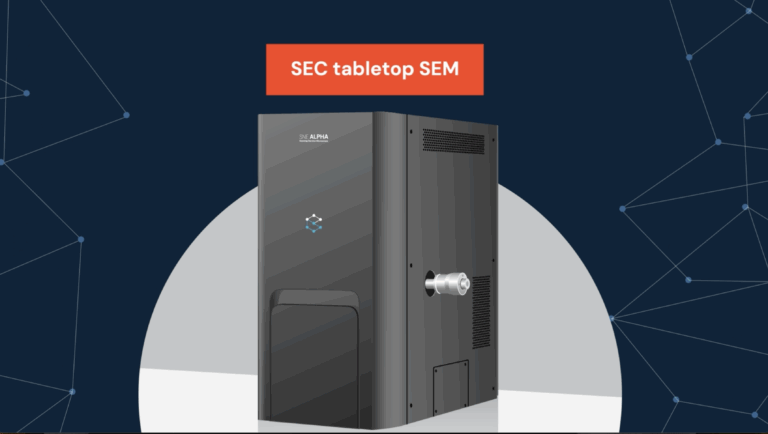
EBIC turns an SEM into an electrical-defect microscope: junctions light up, recombination sites go dark, and failures get localized. How it works and when to use it.
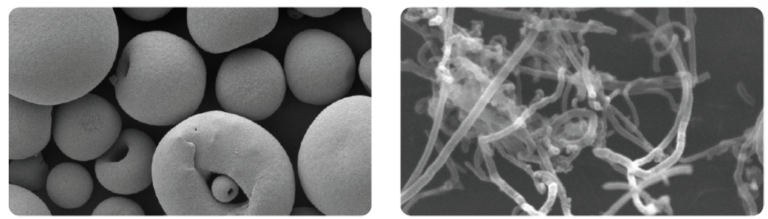
Resolution is the most quoted and least understood SEM spec. What 5 nm actually means, how kV and source change it, and when you truly need field emission.
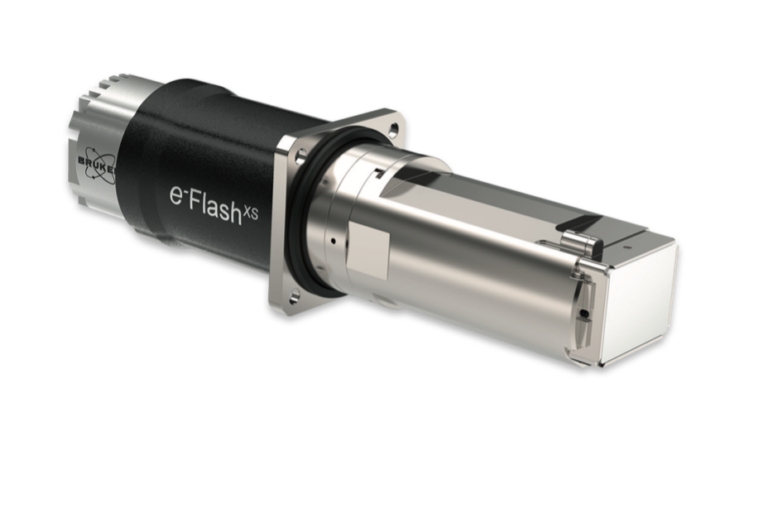
What EBSD delivers on a benchtop SEM — grain size, texture, phase, strain — what sample prep really demands, and where field-emission systems still win.
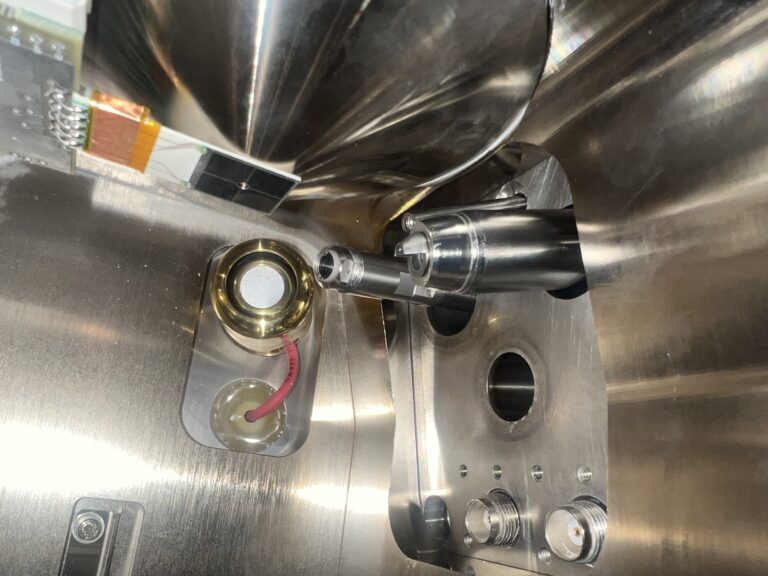
SEM shows shape, EDS shows elements — Raman tells you what the material actually is. Five questions only SEM-Raman answers, and the limits to know before you buy.
A desktop SEM's sticker price is only the start. What five years of filaments, service, and facilities actually cost — and where benchtop systems quietly save.
EDS makes elemental analysis feel pushbutton — and quietly wrong results feel right. Seven common SEM-EDS mistakes and how to catch each one.